SOC 2 Controls Checklist: Technology & Team Requirements Before Your First Enterprise Deal
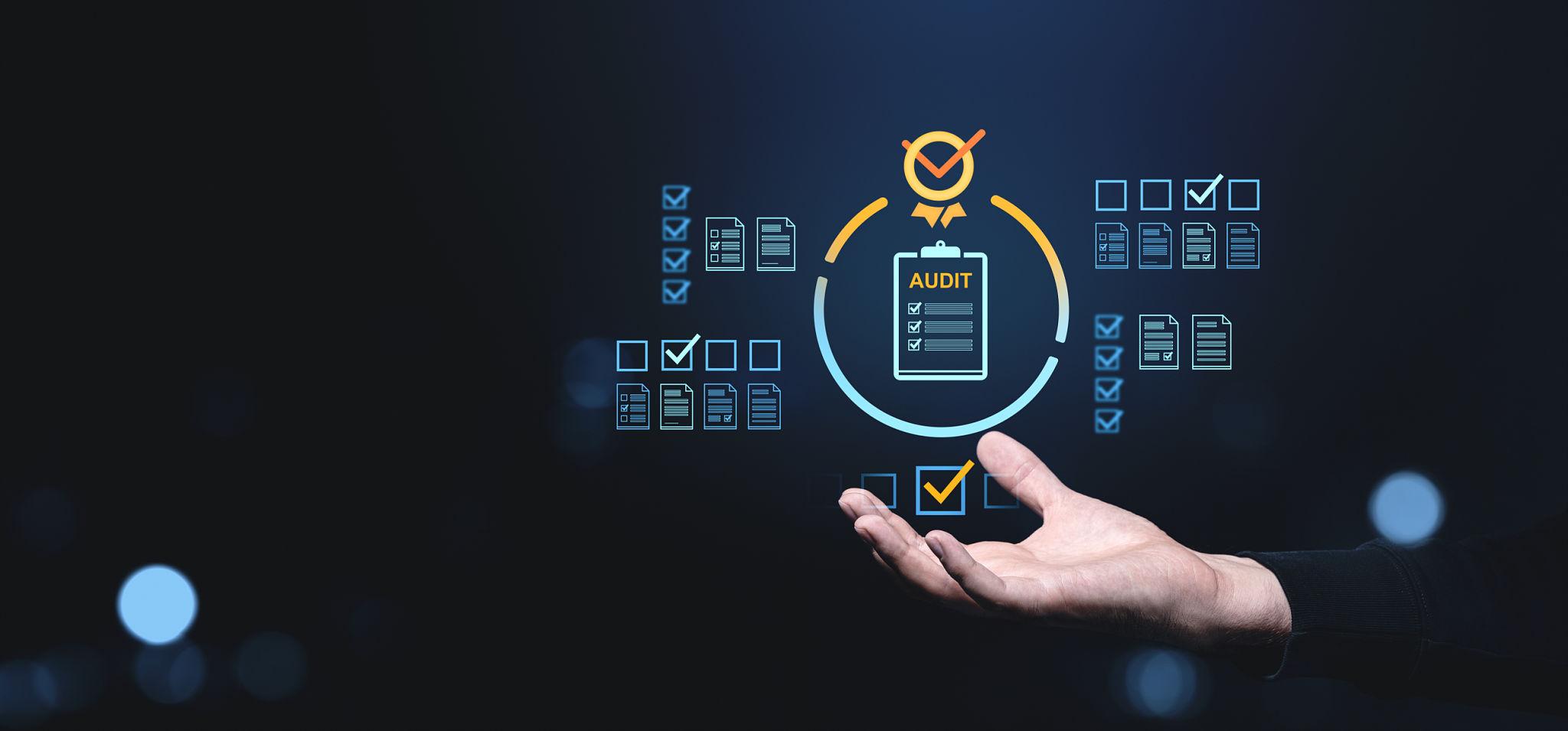
Search "SOC 2 controls checklist" and you will find dozens of 200-line spreadsheets that look exhaustive and read useless. The exhaustive list is not the problem. The problem is that a startup cannot tell, from the list alone, which controls are foundational versus which are refinements you add as you scale. This is a practical, sequenced checklist — the technology and team requirements you need before your first enterprise deal, not a complete SOC 2 control library.
Organized by the five Trust Services Criteria, with the startup-level control design for each. Assume Security is in scope by default; add Availability, Confidentiality, Processing Integrity, and Privacy based on what your buyer will ask for.
Security (CC-series): The Common Criteria
CC1 — Control environment. Named security leader (even if fractional), approved security policies reviewed annually, board-level visibility into the security program, documented code of conduct, annual security training for all staff.
CC2 — Communication and information. Defined communication paths for security incidents, a way to report suspected issues (internal and external), periodic management review of the security posture.
CC3 — Risk assessment. A risk register that is updated as the product and infrastructure change, annual risk assessment, explicit risk acceptance documented by leadership.
CC4 — Monitoring activities. Continuous monitoring of controls (the compliance-as-code pipeline is most of this), periodic testing of controls, management review of monitoring results.
CC5 — Control activities. Documented procedures for the major operational processes (onboarding, offboarding, deploy, incident response, access review), segregation of duties where feasible.
CC6 — Logical and physical access. MFA on all production access, least-privilege IAM with roles not shared accounts, quarterly access reviews with sign-off, privileged access management, physical security for any on-prem assets (usually N/A for cloud-native startups, but document it).
CC7 — System operations. Vulnerability management program with SLAs per severity, patch management, incident response plan with tabletop exercise, monitoring and alerting for security events.
CC8 — Change management. Peer-reviewed pull requests on all code changes, automated testing before deploy, production deploy approvals, change management records (the PR metadata is usually the evidence), separation between dev / staging / prod.
CC9 — Risk mitigation. Vendor management program with review cadence, data flow understanding across all sub-processors, contractual security requirements with vendors.
Availability: If Your Buyer Cares About Uptime
A-series controls show up when the buyer's use case is operational. RTO and RPO defined and tested, backup and restore procedures with evidence of periodic testing, capacity monitoring, documented maintenance windows, uptime SLA in customer contracts with monitoring to back it, DR plan tested annually with a summary report available.
For a pre-revenue startup, Availability is often out of scope. For a startup selling into Fortune 100 carriers or banks, it is almost always in scope and buyers will ask for evidence of the backup-restore test log.
Confidentiality: If Customer Data Is Non-Public
C-series controls target the protection of information classified as confidential — which for most enterprise deals includes customer data. Data classification scheme, encryption at rest and in transit, key management with rotation procedure, secure data destruction (including cloud-native lifecycle rules), confidentiality agreements with staff and contractors, contractual confidentiality obligations to customers.
Processing Integrity: If You Make Decisions
PI-series controls matter when your system produces outputs that downstream users rely on — underwriting recommendations, claims decisions, mortgage pricing, AI-generated content used in business processes. Input validation, processing controls to prevent unauthorized modification, output reconciliation, error handling and logging, evidence that the system produces accurate and complete results.
For any AI or ML product that hits a regulated vertical, Processing Integrity will almost always be asked for, and the control design needs to cover model monitoring, drift detection, and human-in-the-loop for high-stakes decisions.
Privacy: If You Touch PII
P-series controls cover the handling of personal information. Privacy notice aligned to the product, consent management, access / correction / deletion processes for data subjects, cross-border transfer controls, retention schedule, breach notification procedure specific to privacy incidents.
If your product touches GDPR-governed data, CCPA-governed data, or state-level privacy frameworks, Privacy needs to be in scope. Scope it proactively — the downstream cost of going back and adding it is meaningful.
Team Roles You Actually Need
For a startup entering SOC 2, the role map is narrower than the exhaustive list suggests. You need: a named security leader (can be fractional), a named compliance engineer (often a dual role with DevSecOps), a named incident response lead (often the CTO or VP of Engineering), a named privacy lead (often legal or a fractional privacy advisor), and a named vendor management owner (often ops or finance).
What you do not need: a 10-person security team. What you do need: the roles are filled, the responsibilities are documented, and the evidence of their execution is on file.
Technology Stack Baseline
The minimum technology stack that supports a credible SOC 2 Type 2: cloud provider with enterprise tier (AWS, Azure, GCP) — free-tier accounts will not carry the controls; identity provider with MFA and SSO for production access; endpoint management for any employee device touching production; vulnerability scanner (Snyk, Dependabot, or equivalent); secret scanner (gitleaks, trufflehog, or cloud-native); compliance automation platform (Drata, Vanta, Secureframe); log aggregation and alerting (Datadog, CloudWatch, Splunk); cloud security posture tool; a penetration testing partner; a vendor management register.
The stack is not exotic. What matters is that it is integrated. A scanner that is not in the CI pipeline is not a control; it is a shelfware purchase.
Evidence Cadence
For each control, the audit will ask for evidence across the observation window. That means the controls need to be operating, and producing evidence, for 3–12 months continuously. Start early. A control that has been operating for 30 days before the audit will be flagged as "not sufficient period" in a Type 2 report.
The compliance-as-code pattern is what makes the evidence cadence practical. The pipeline generates timestamped artifacts on every PR; the evidence is a byproduct of the engineering work. Manual evidence collection at scale is where teams miss dates and controls fail operationally.
Where Engineering in a Box Plugs In
Our CI/CD Governance Pipeline covers the majority of the CC-series and the technical portions of Availability, Confidentiality, Processing Integrity, and Privacy. The roles we provide on the pod — US architect, SOC 2 compliance engineer, tech lead, QA, DevOps — map to the named roles above. The evidence is generated by our pipeline and assembled by our compliance engineer, in parallel with product delivery.
If you are staring at a 200-line SOC 2 checklist and wondering where to start, the answer is: start with the pipeline. The checklist is a consequence of the pipeline, not a predecessor. That is the practical difference between a SOC 2 project that ships and a SOC 2 project that stalls.
Talk to Reslt AI
If the path in this piece matches your next 12 months, the Reslt AI team can scope an Engineering in a Box pod around it. SOC 2 Type 2 validated by A-LIGN, a US Solution Architect on every engagement, and a delivery team that has shipped into regulated verticals before — from sprint one. Reach us at contact@reslt.ai or visit reslt.ai.